ISLAND OF THE DEAD
Days 18 – 21 May 13-16 , 2022
Kangaroo Island

We are finally visiting Kangaroo Island, located just 15km off the South Australian mainland. We’ve been wanting to visit Kangaroo Island for ages. Despite numerous visits to Adelaide and having lived there in the early 1990’s we never found the right time to visit.
This will be a long post with lots of pictures. The textured shades of the island and the sight and sound of the thundering icy blue ocean will stay with us for a long time.
It’s not a huge island, 150km long and approx 50km wide and just over 4,000 permanent residents. As we had a car we took the ferry across to the island but many people chose to fly from Adelaide and hire a car once they are here.
From the moment we drove off the ferry we knew we were in for a treat.
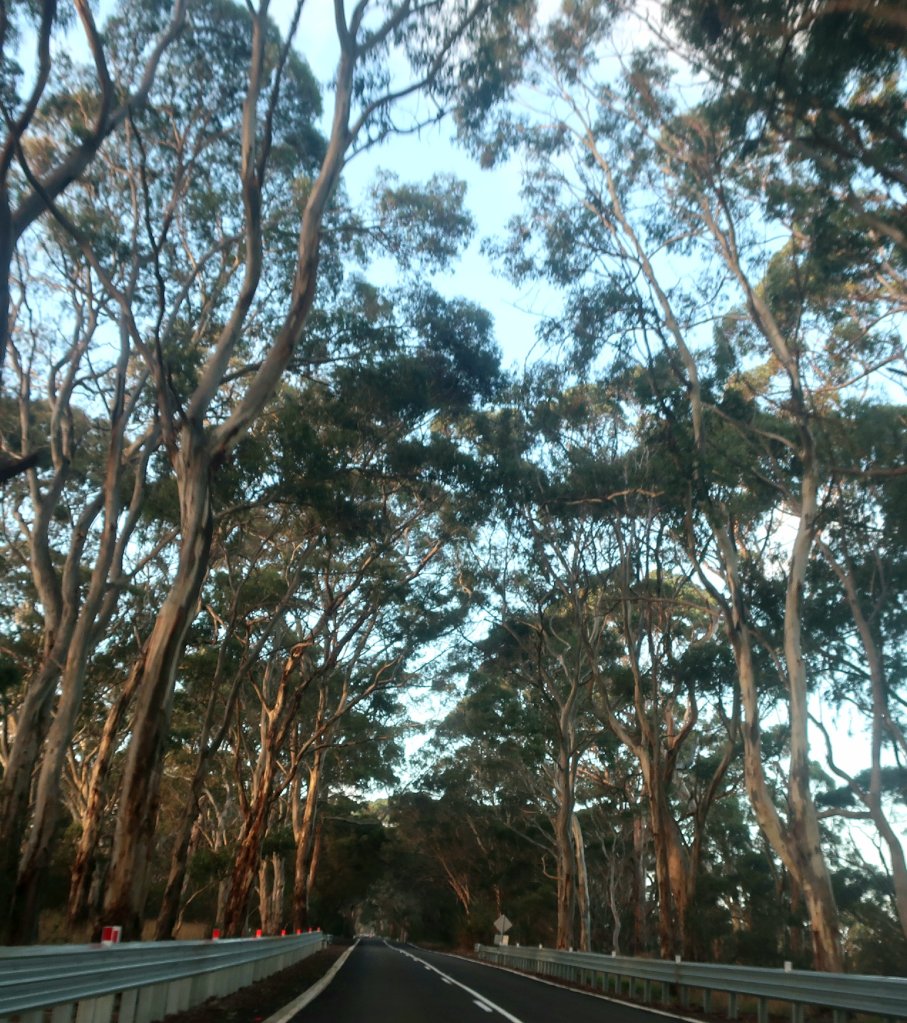
Driving towards our accomodation through a canopy of towering gums lining the road, late afternoon sunlight reflecting off their bark made me feel so happy to finally be here.
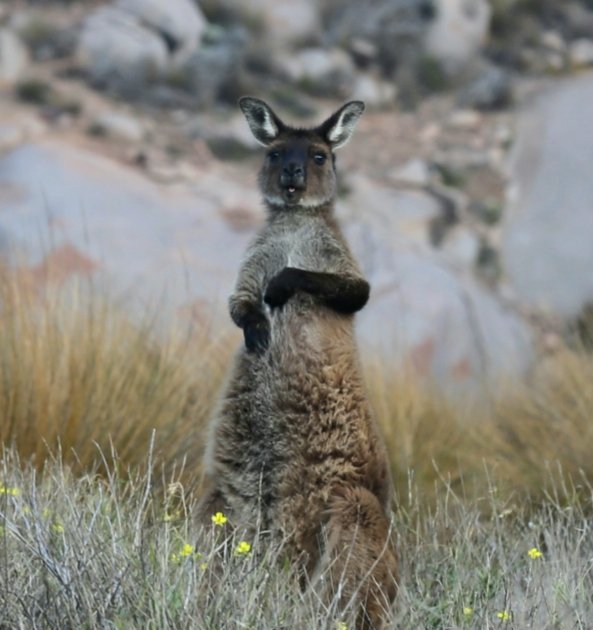
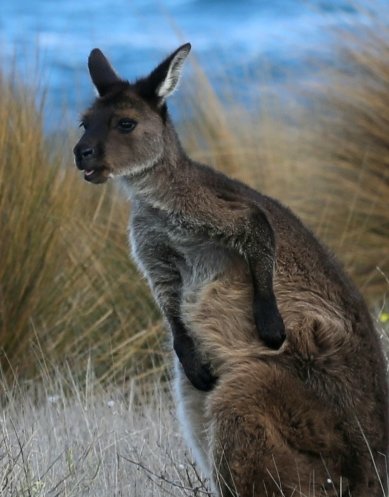
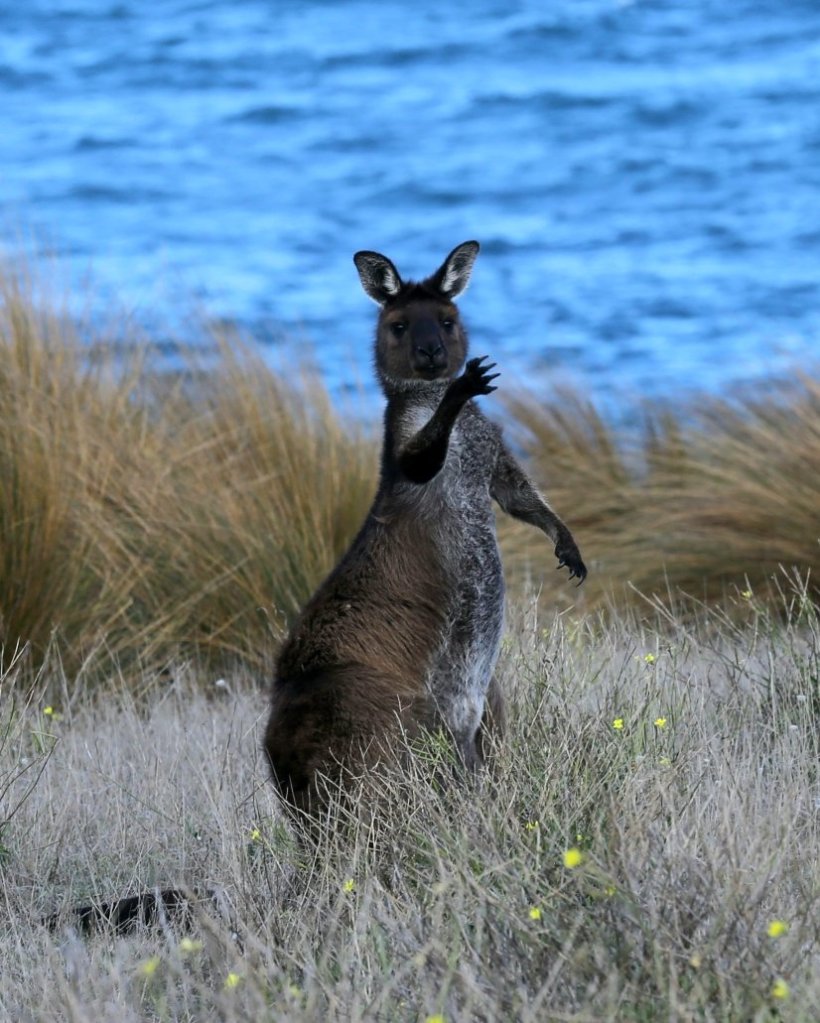
Kangaroos grazing in the field stopped to stare before hopping out across the road. We were warned about driving carefully to avoid an encounter with the wildlife. We had a chance to more closely observe the local kangaroos later in our stay here. Kangaroo Island kangaroos are different to the mainland ones, being darker and with much thicker fur.
We are staying near Flour Cask Bay, midway between the two largest towns on the island, Kinsgcote and Penneshaw, perfectly placed to explore the island. There is one main sealed road which rings the island and to get to the coastline requires driving on dirt roads.
On the day after we arrived, it was a relief to get a message from the very helpful SeaLink Ferry staff that our return trip had been brought forward to our planned day – next Tuesday.
The first two days we explored the southern and western sides of the island. There are a few hiking trails along the shoreline which offer incredible views over the southern ocean.
We started at Seal Bay, one of the largest Sea Lion colonies in Australia. The landscape is captivating. The greys, reds and greens of the coastal heath vegetation frame white sand beaches and crystal clear blue ocean. Perfectly formed waves crash onto the shore.
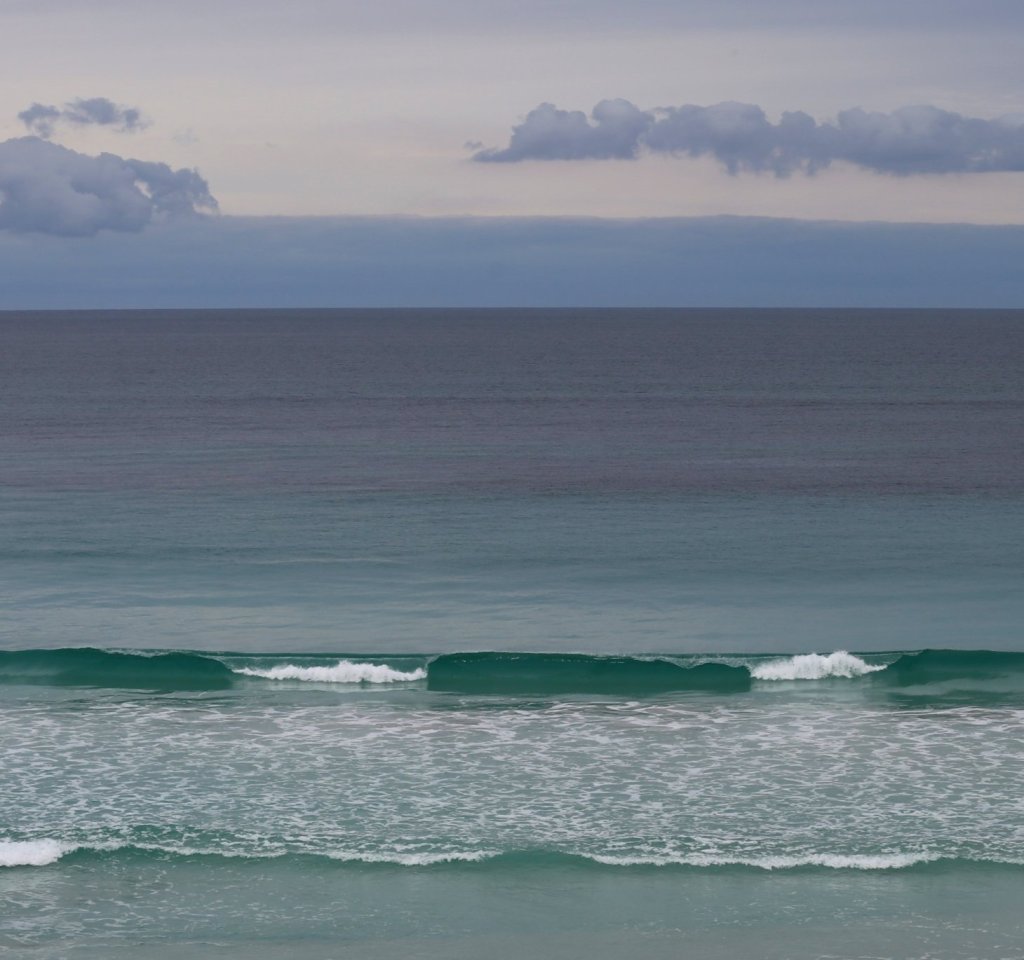
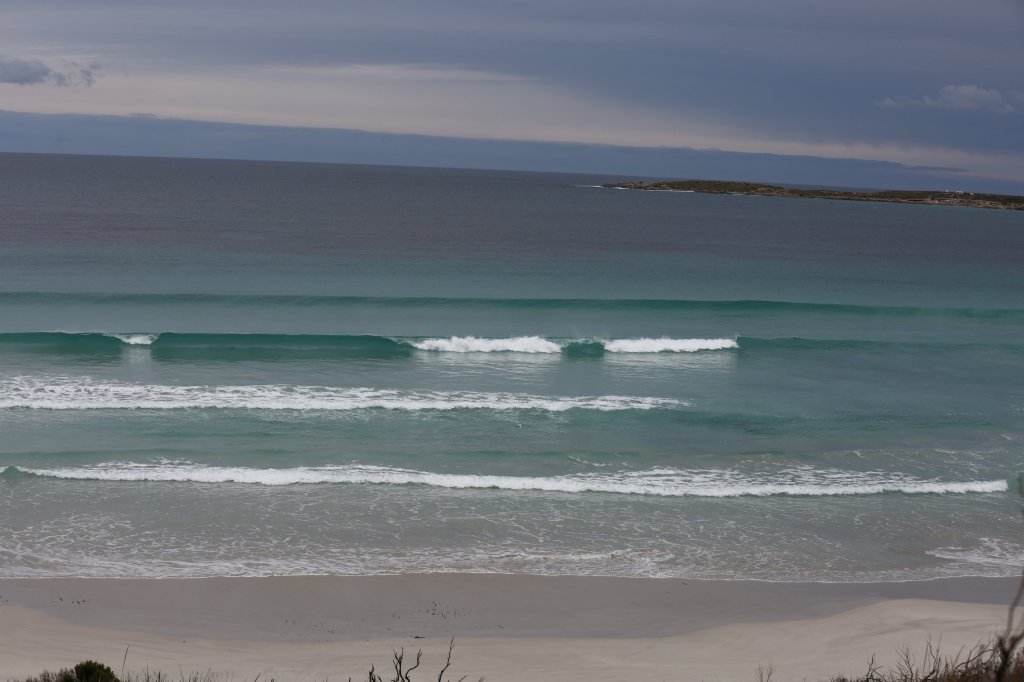
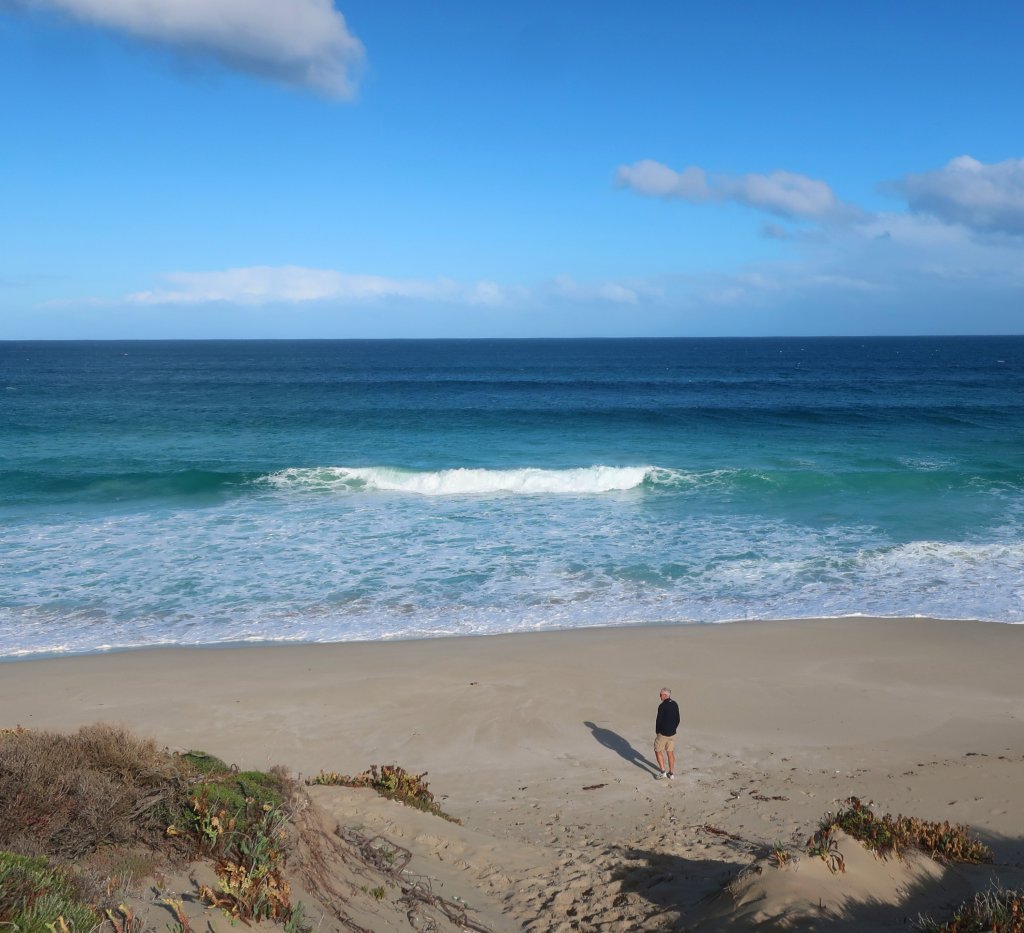
It is birthing season at the Sea Lion colony and the park rangers told us to look out for two females who had just given birth a few days ago. To view the seals we walked along a boardwalk above the beach. We were totally absorbed for a couple of hours watching the seals below – resting, playing, fighting, swimming and surfing to shore.
We spotted the new mother seals with their pups being guarded by a couple of big males. There was something magical about watching these wild animals having the freedom to roam without the threat of land based predators, mainly us humans. The pups were tiny and it was a privilege to see them. Later we watched two slightly older pups playing in a rockpool while their mothers were out at sea feeding.
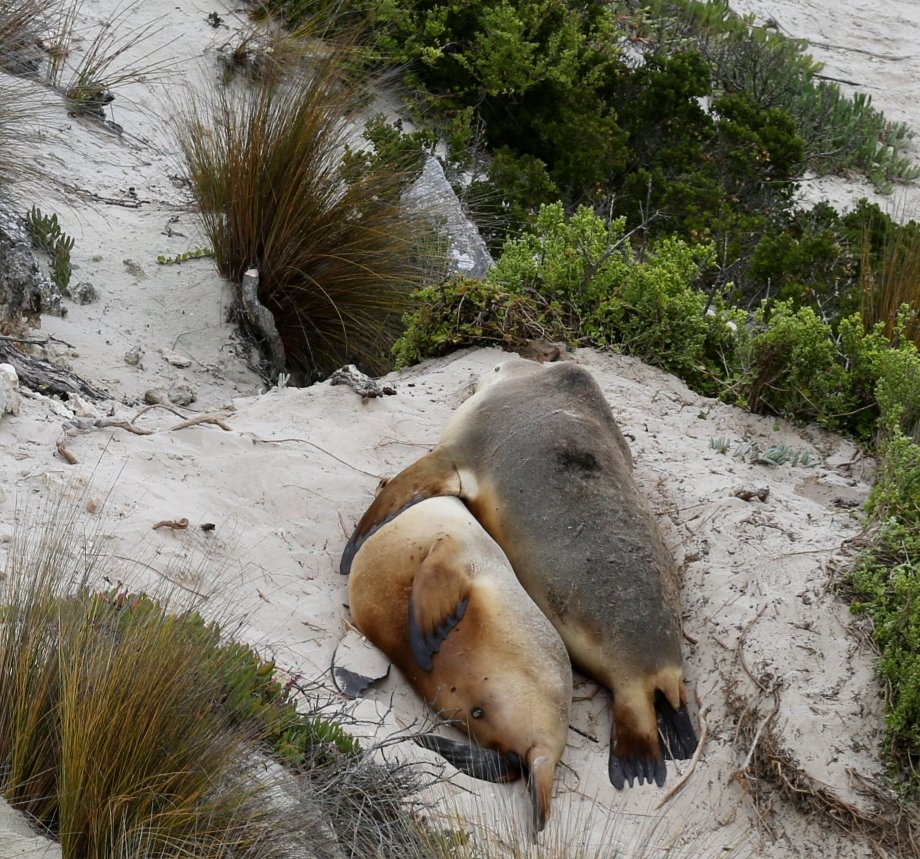

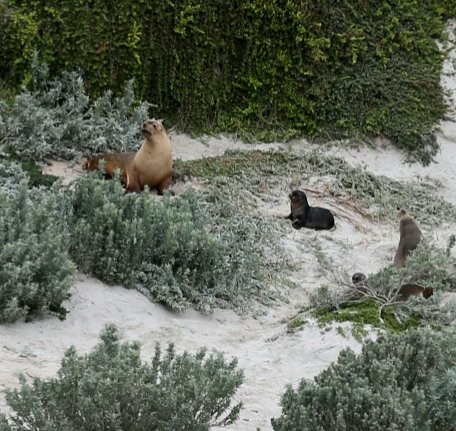
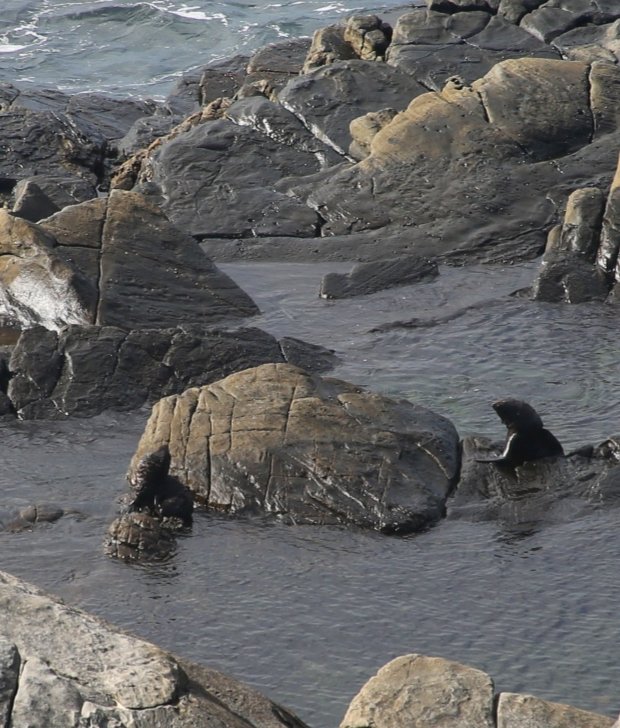
We left Seal Bay with smiles on our faces feeling so fortunate to have witnessed nature at work.
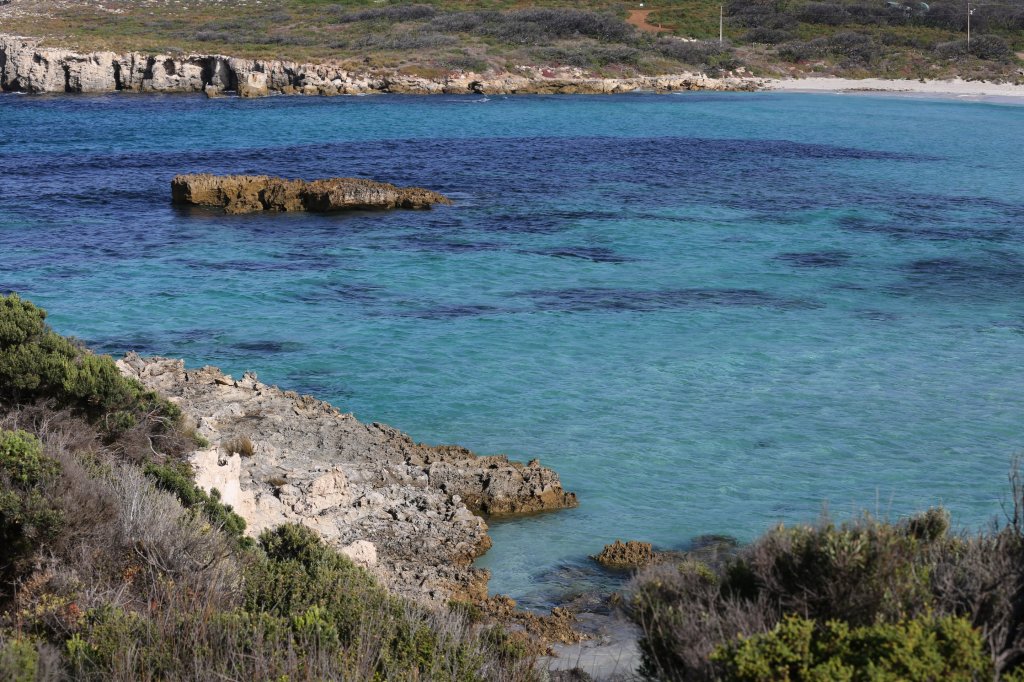
The geology of the southern shoreline is so varied. A short distance away is a series of enormous sand dunes on private land. The nearby protected waters of Vivonne Bay were a complete contrast to the wild shores of Seal Bay and the enormous sand dunes nearby. Protected from the wind and a gentle surf breaking onshore, in summer Vivonne Bay would be an incredible spot for swimming and snorkelling. Beachcoming along the squeeky white sand was fascinating. Interesting sponges, algae and shells littered the high water mark.
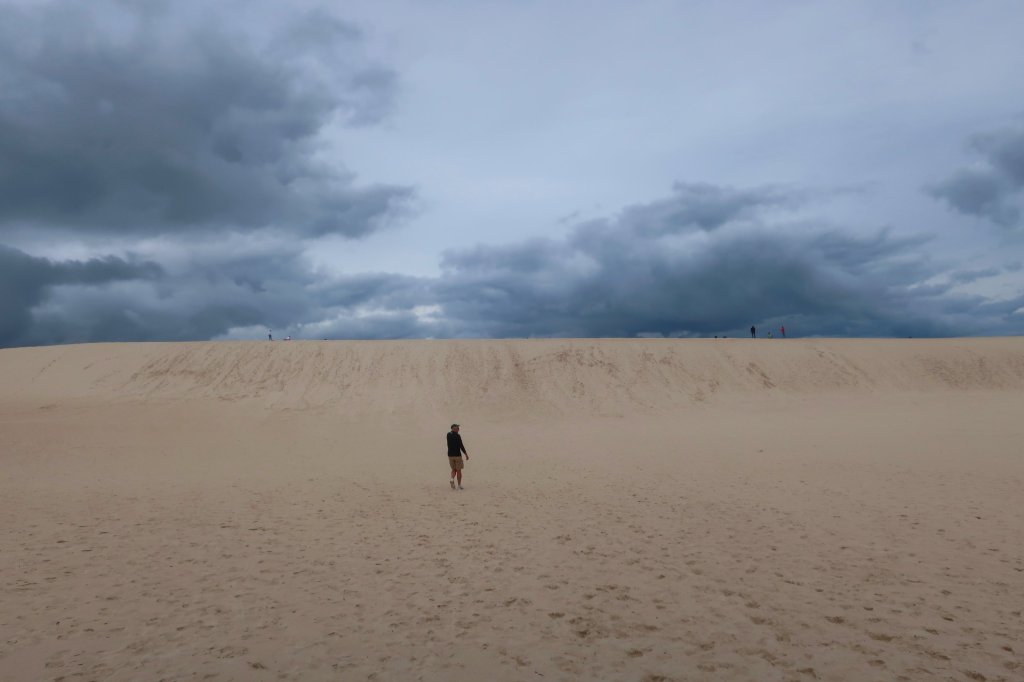

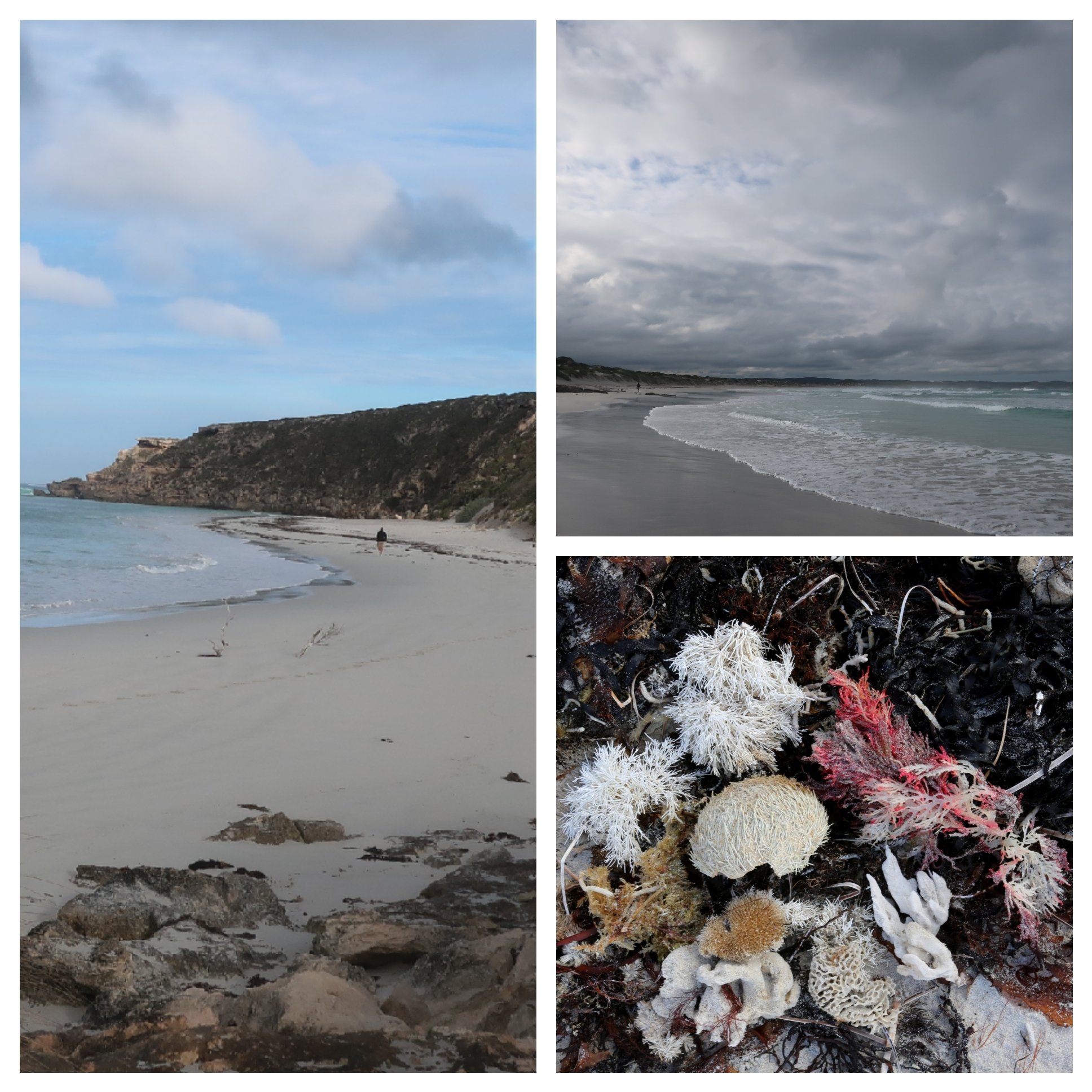
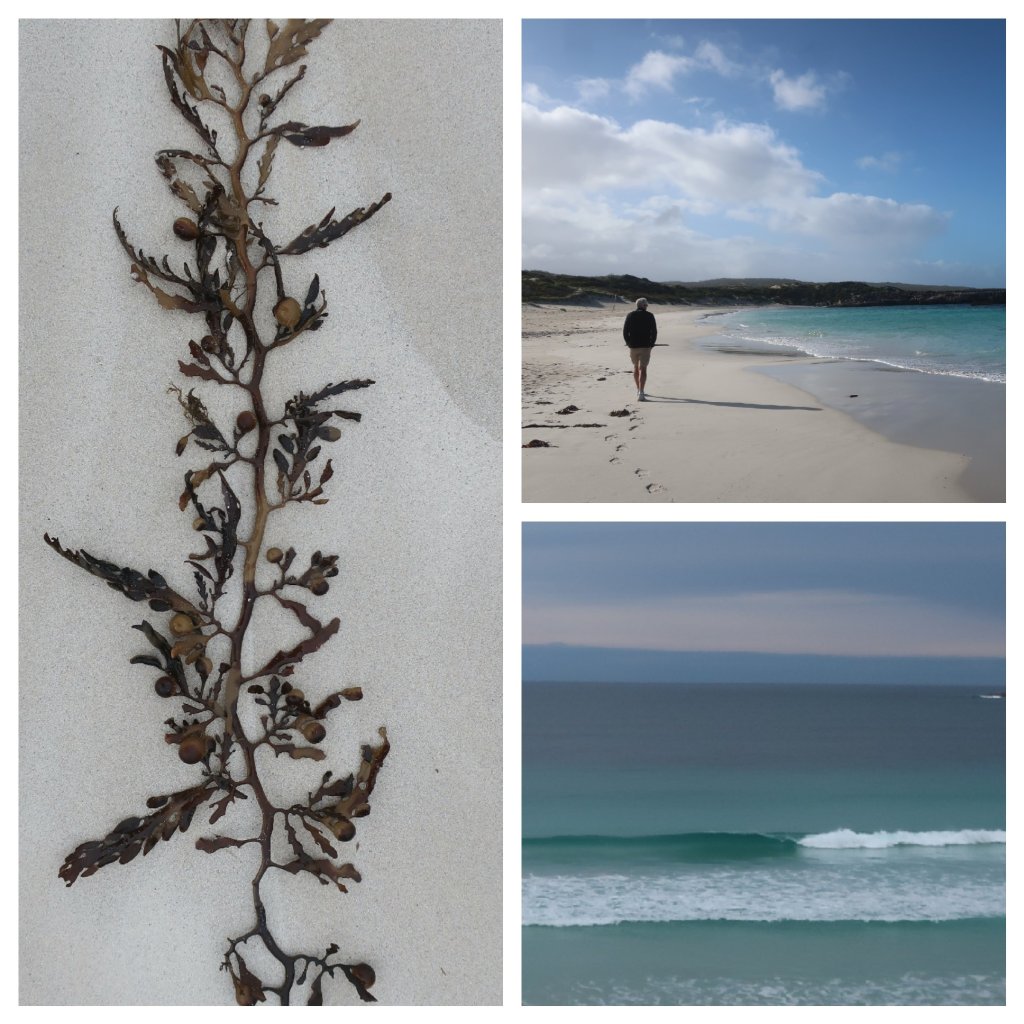
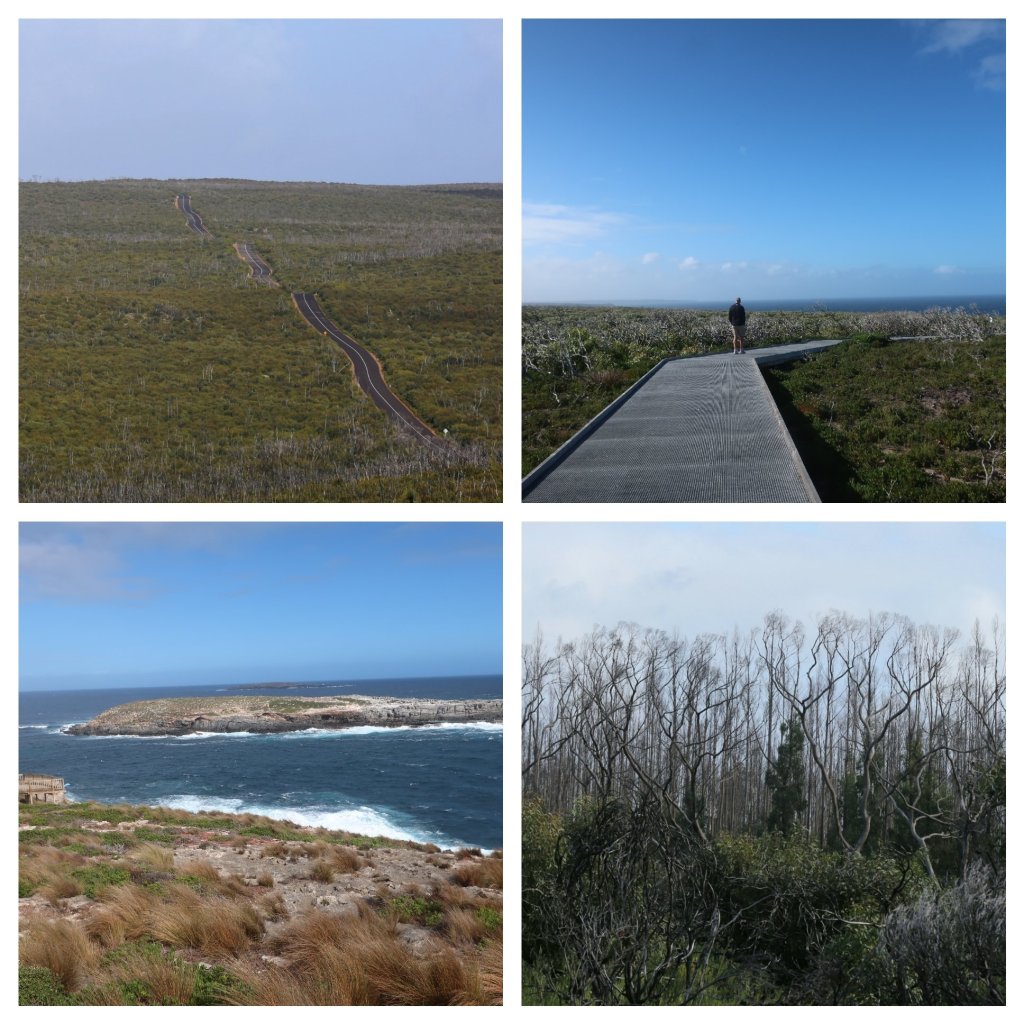
With our senses overwhelmed we returned to our accomodation excited about the next day, exploring the western side of the island at Flinders Chase National Park. The wildfires of 2019/2020 destroyed 98% of the Park. All the park infrastructure and the nearby privately owned Southern Ocean Lodge were burnt to the ground.
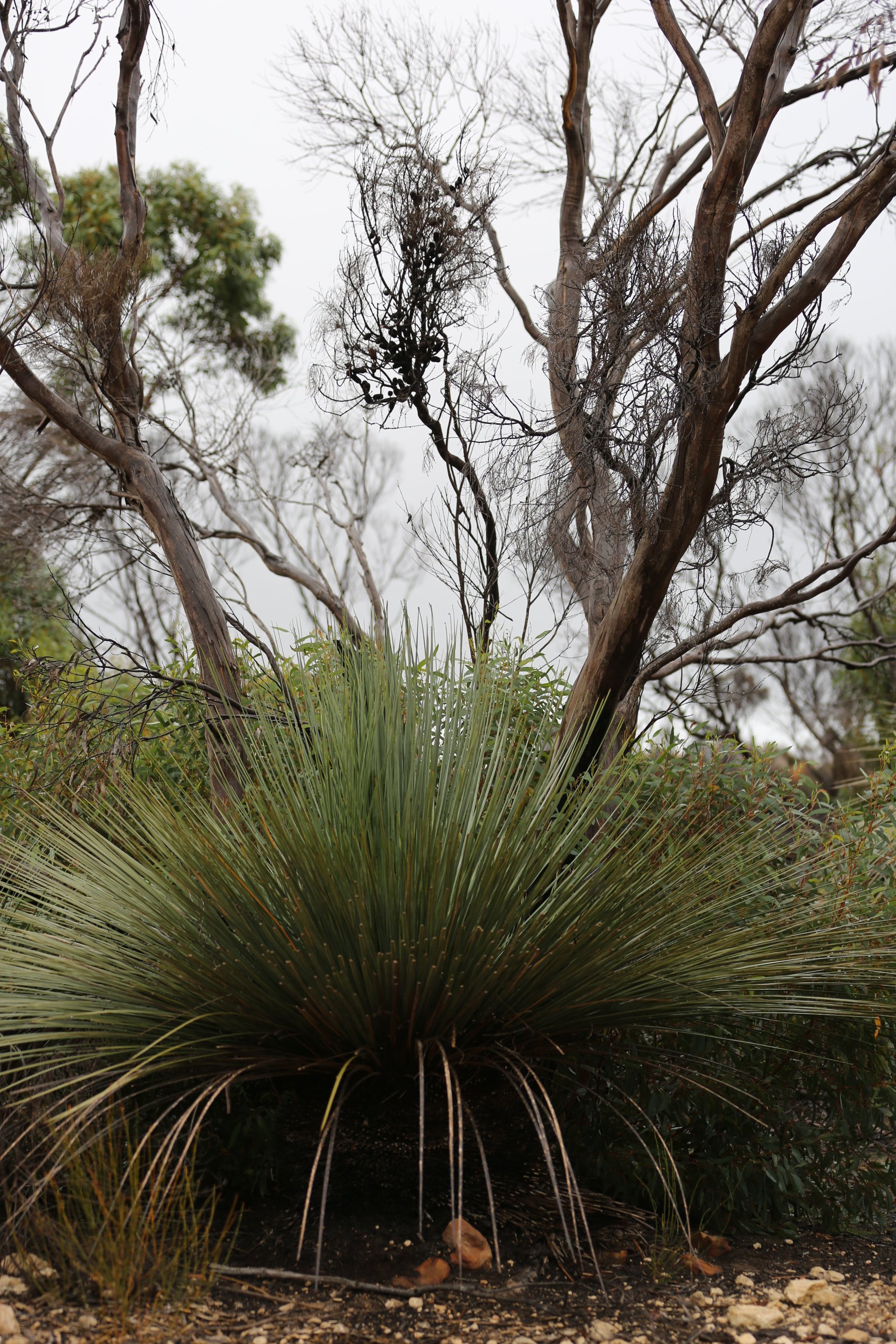
The recovery is remarkable both in the natural and built environments. Burnt limbs of the Slender Honey Myrtle stick out on a carpet of lush green regrowth droping away towards pounding waves of the southern ocean.


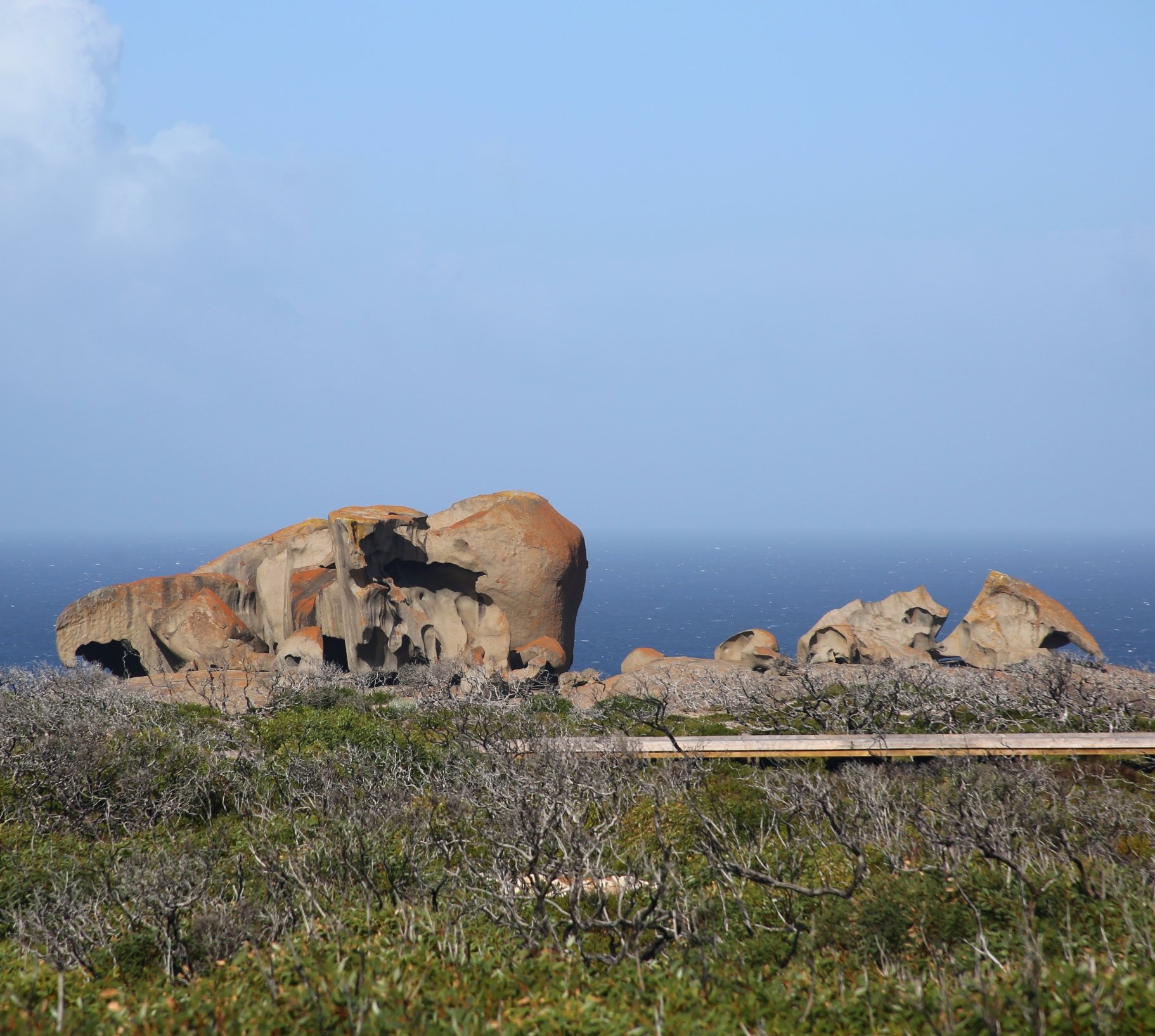
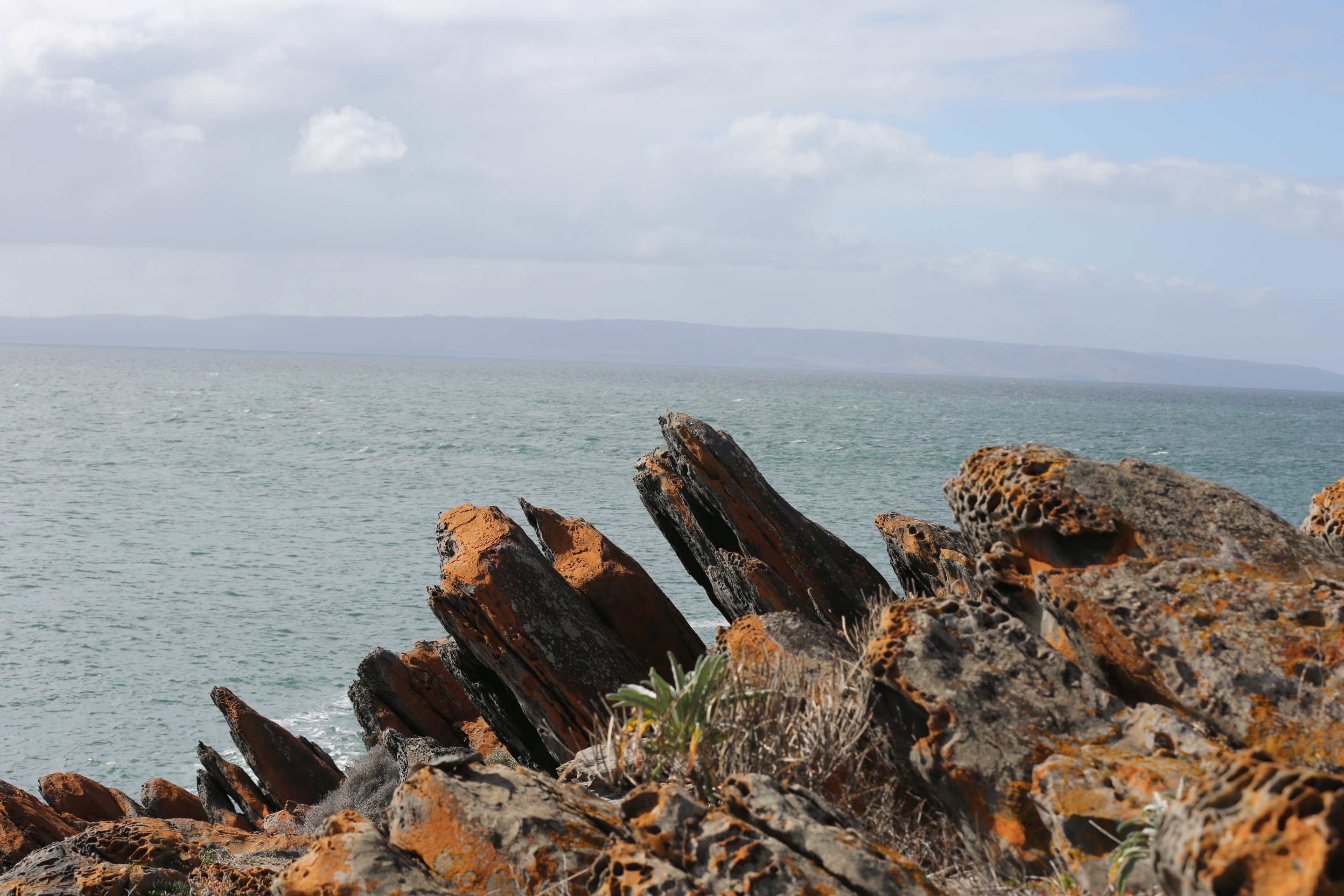
Seeing the Remarkable Rocks from a distance felt rather otherworldly. Giant granite boulders that look like they were placed on the edge of a cliff. So surreal in comparison to the surrounding landscape.
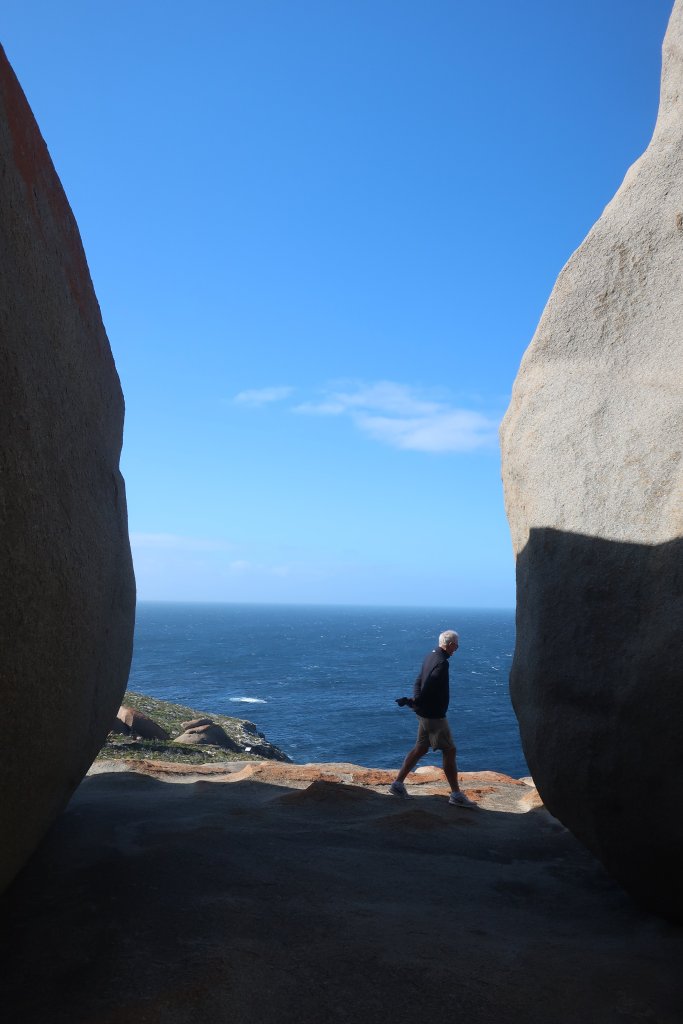
It took 500 million years for rain, wind, and pounding waves to create these granite boulders. The wind coming off the southern ocean was fierce and at times felt like it could sweep you off the smooth granite surface.
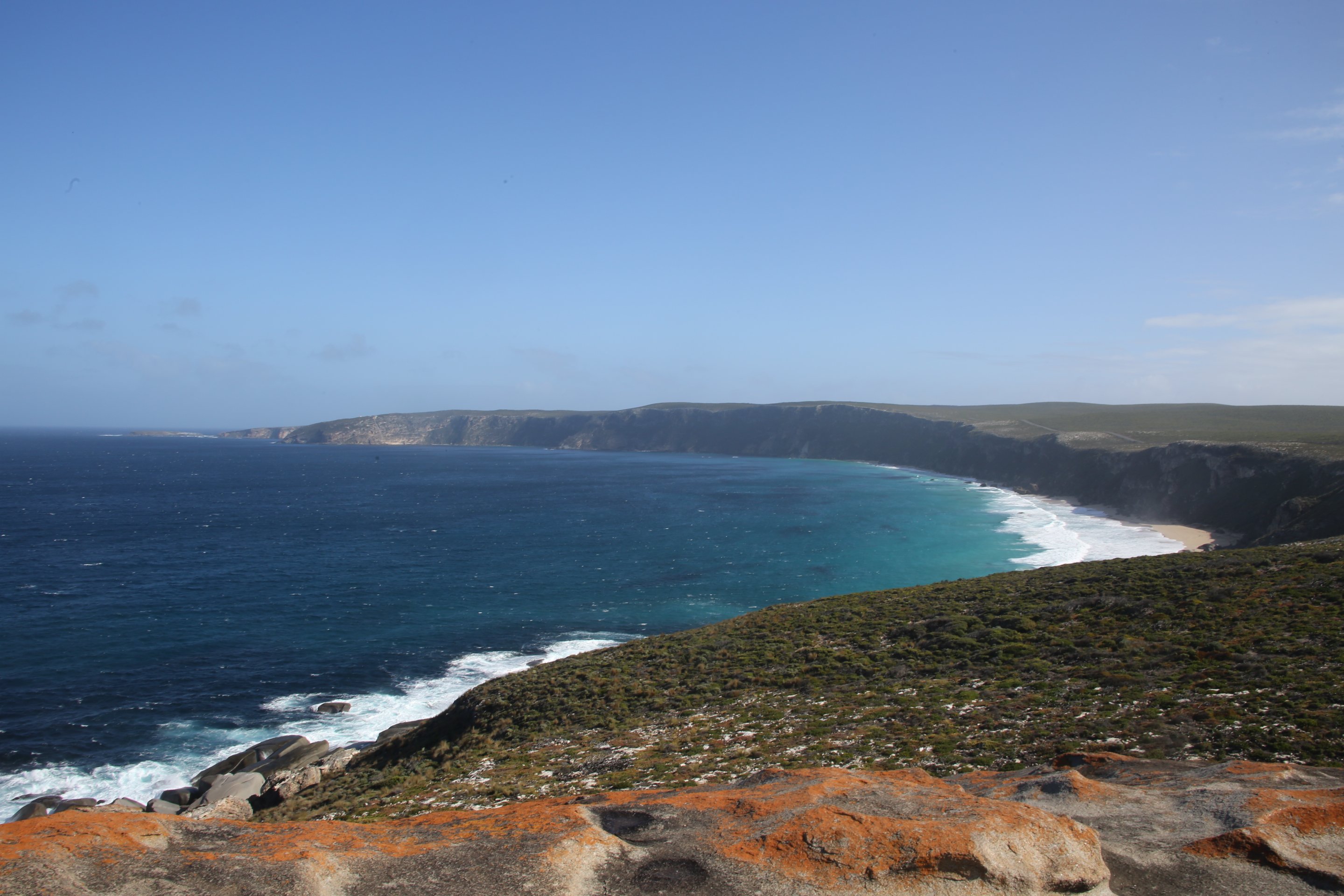
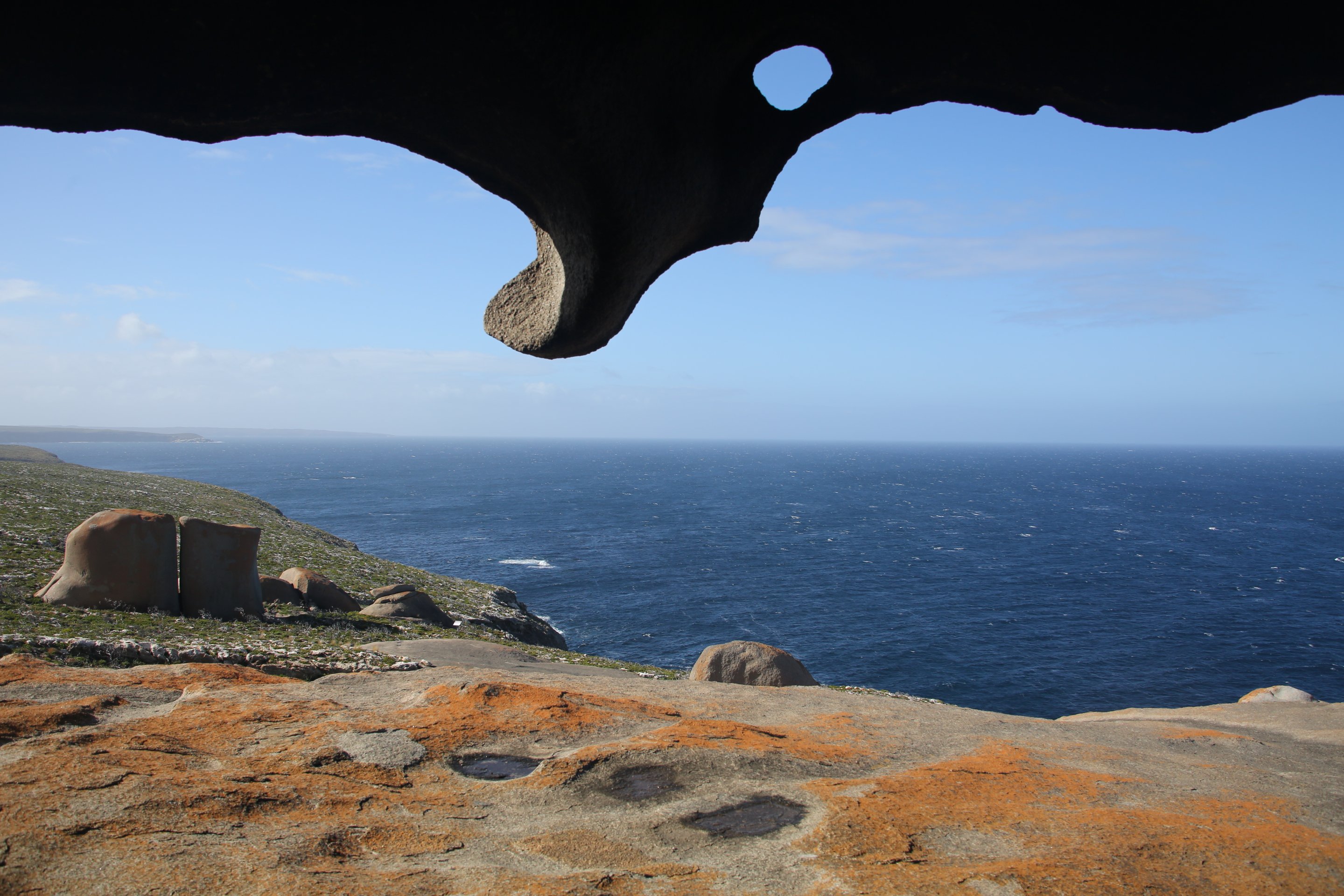

The nearby Admirals Arch is an eroded tunnel through the cliff with pounding waves and ferrocious winds continuing the erosion process. Standing on the viewing platform facing the oncoming wind and crashing waves felt like I imagine standing in front of a jet engine would feel. A salty wind fascial after only a few minutes exposure. Hundreds of Fur Seals snoozed on the rocks below.


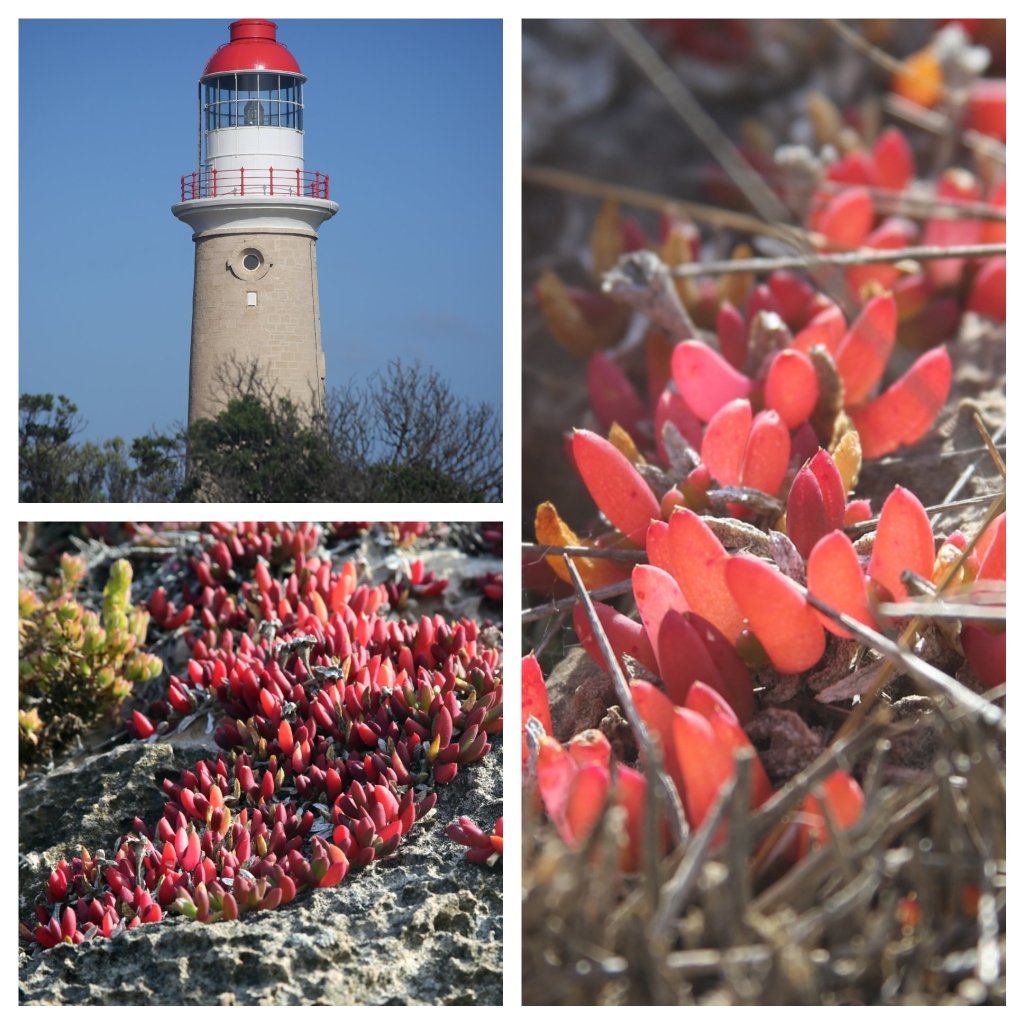
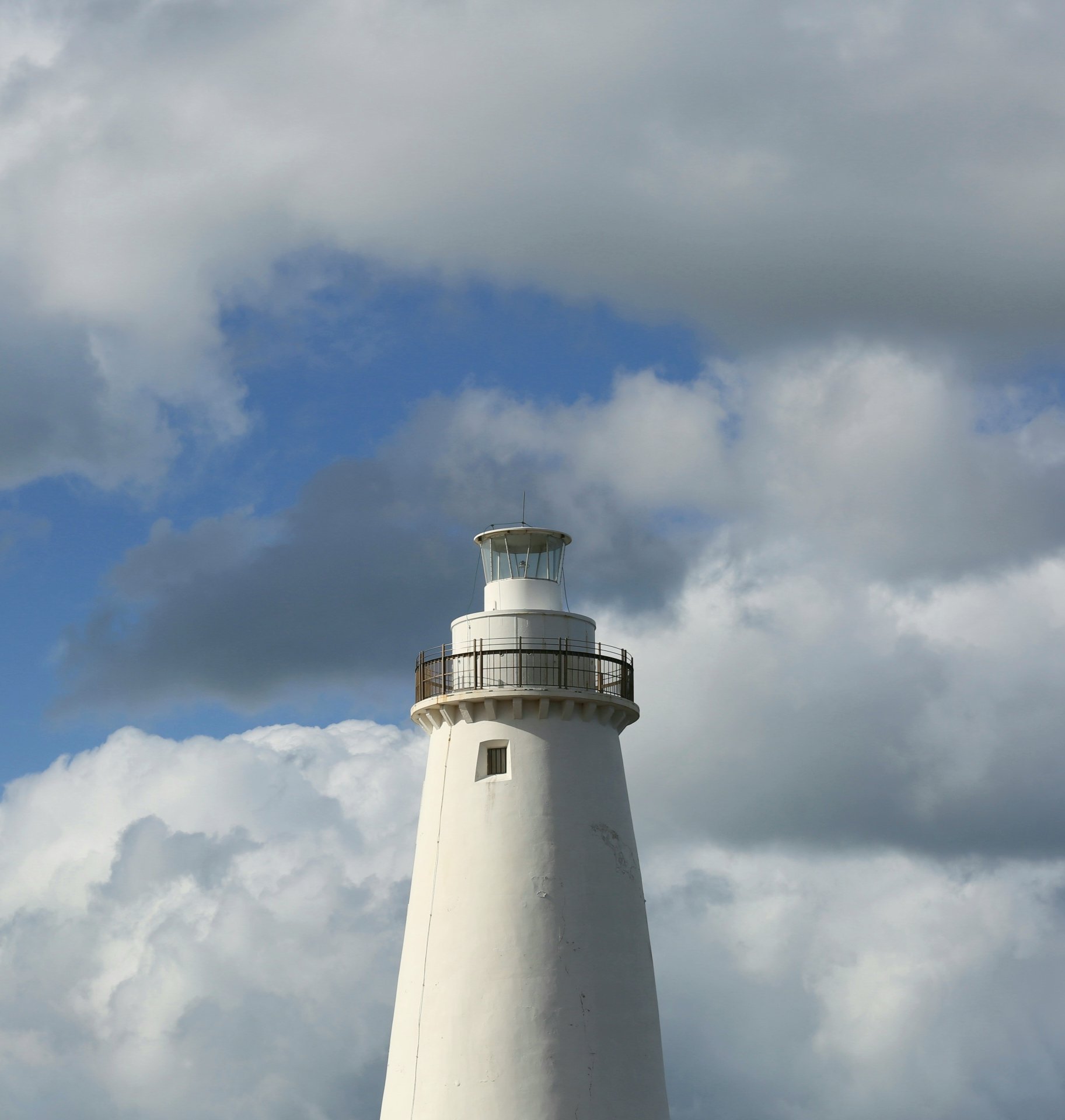
On the two capes of the western shoreline are two lighthouses, the beautiful Cape du Couedic lighthouse at the southern end and the more utilitarian Cape Borda in the north. What tough conditions must have been endured by the early lighthouse keepers and their families.
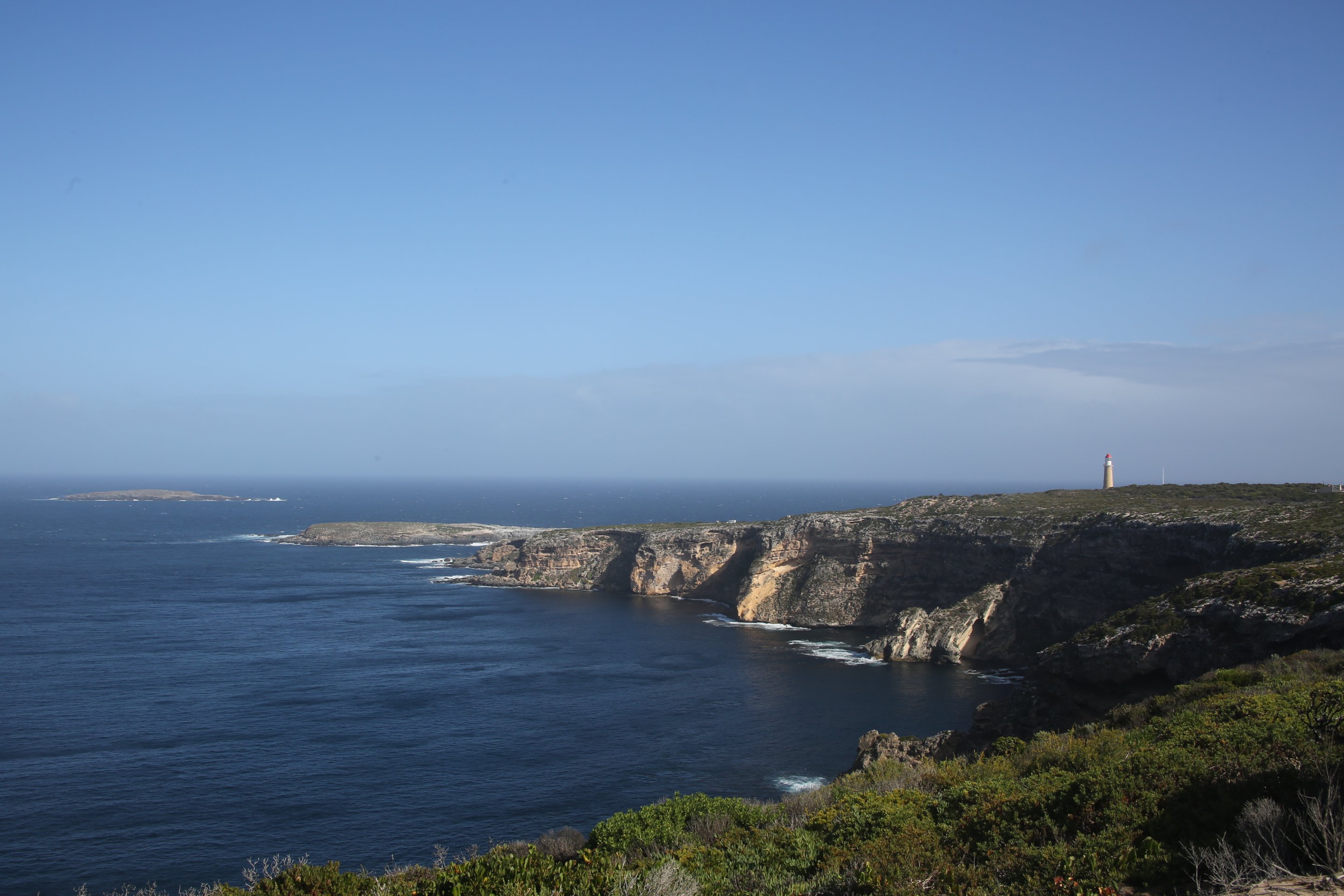
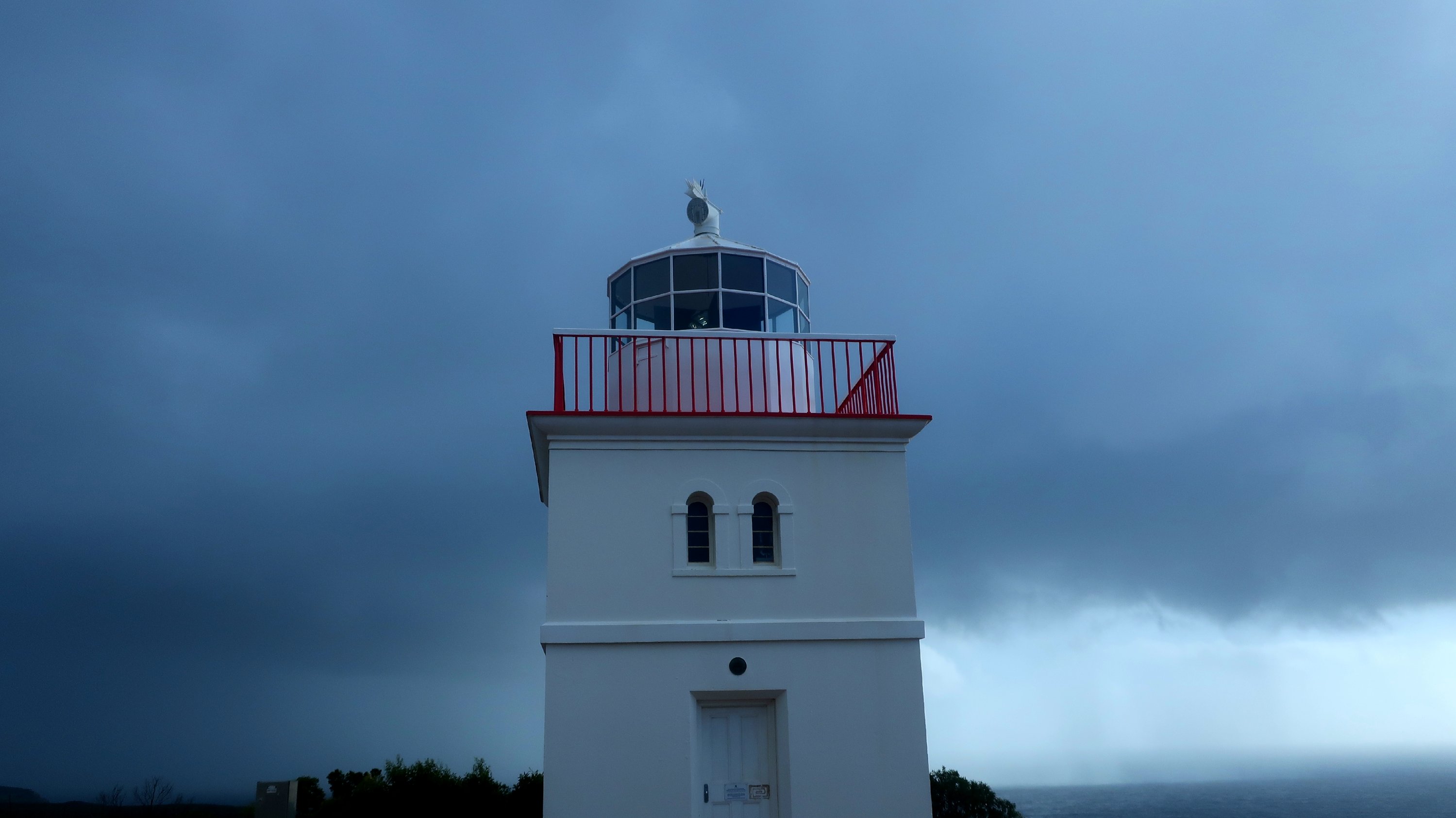
On our remaing two days we explored the more agricultural northern and the calm and protected eastern sides of the island, areas settled by European arrivals in the early 1800’s.
European explorers believed the island to be uninhabited. Recognised as Karta or “Island of the Dead” by mainland Aboriginal tribes, the existence of shell middens and stone tools suggests that Aboriginal people lived on Kangaroo Island and may have disappeared from the island as recently as 2,000 years ago.
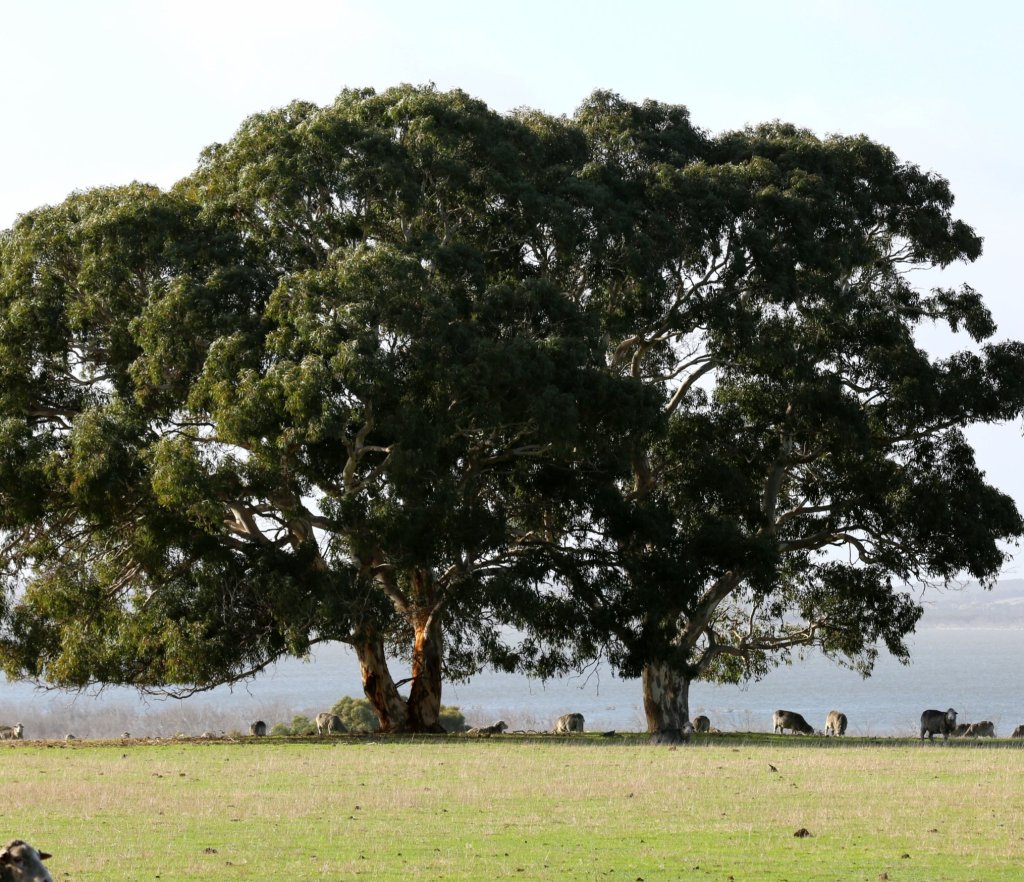
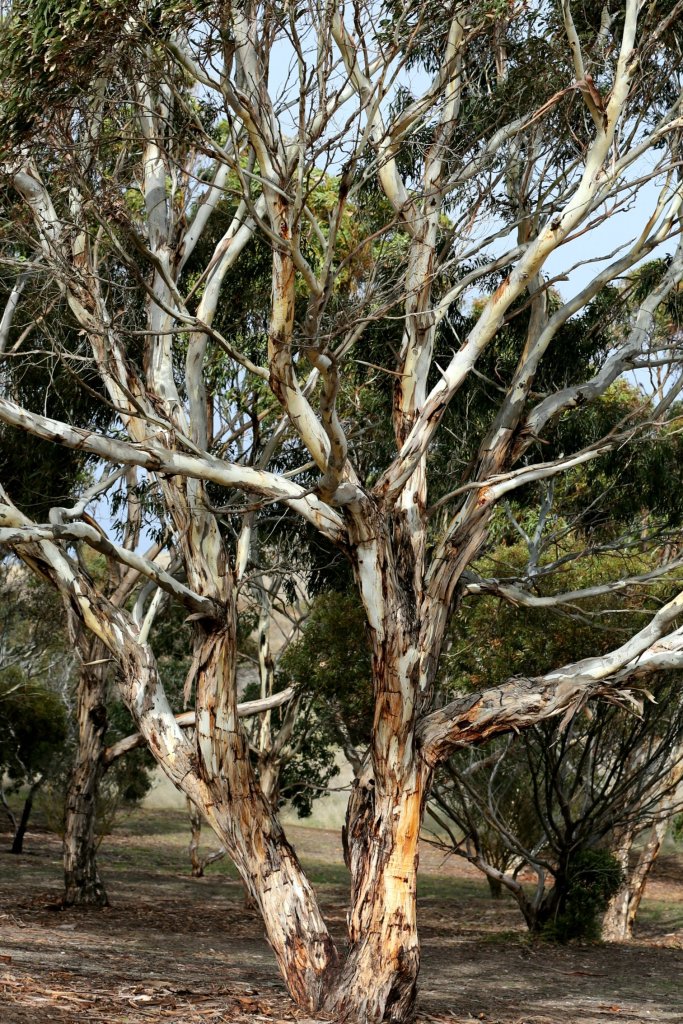
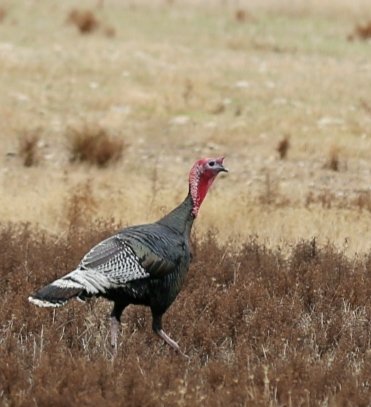
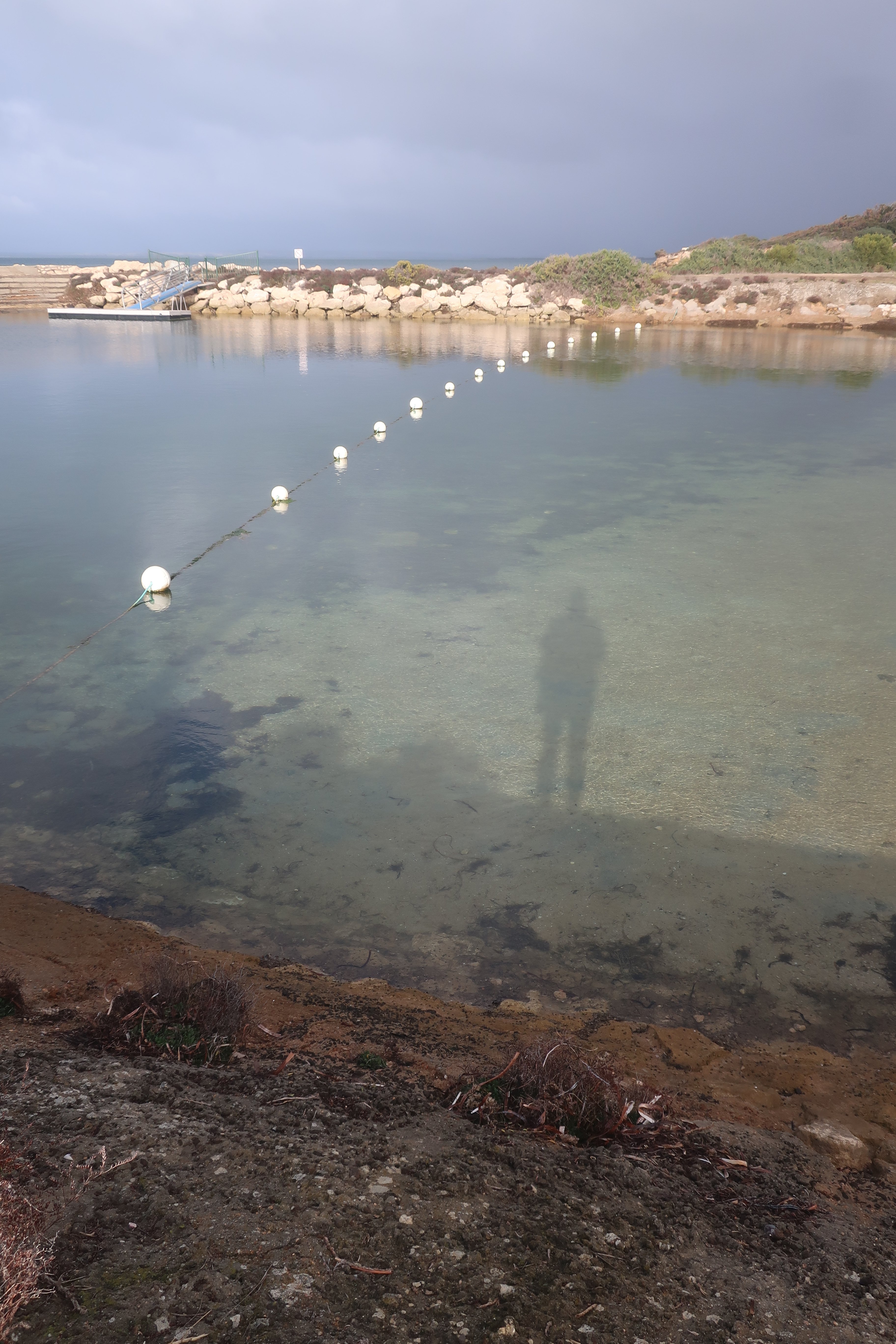
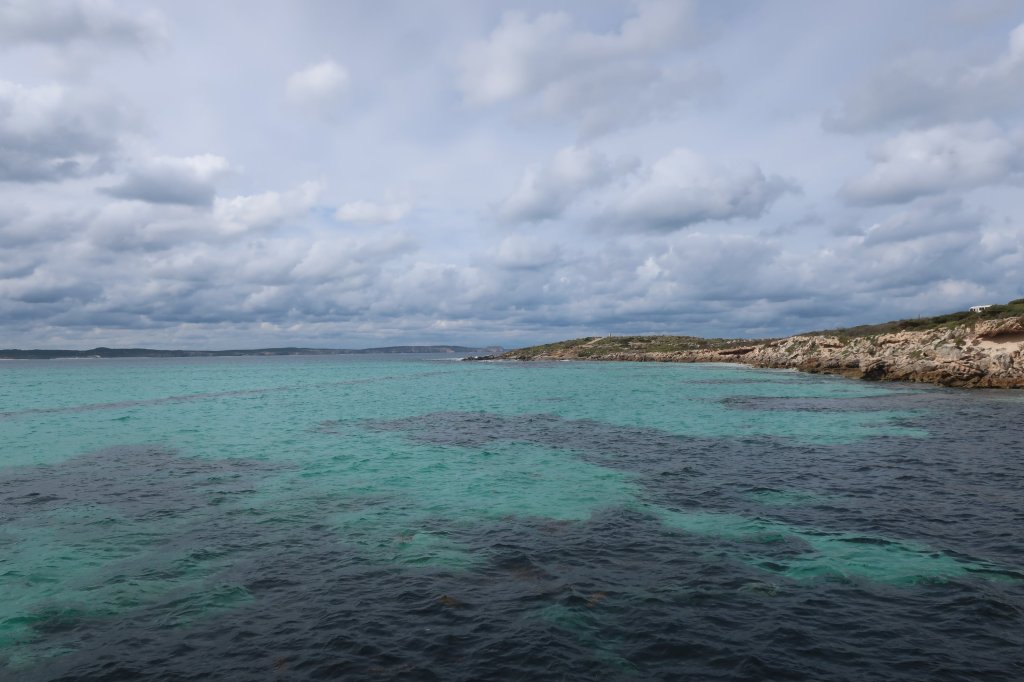
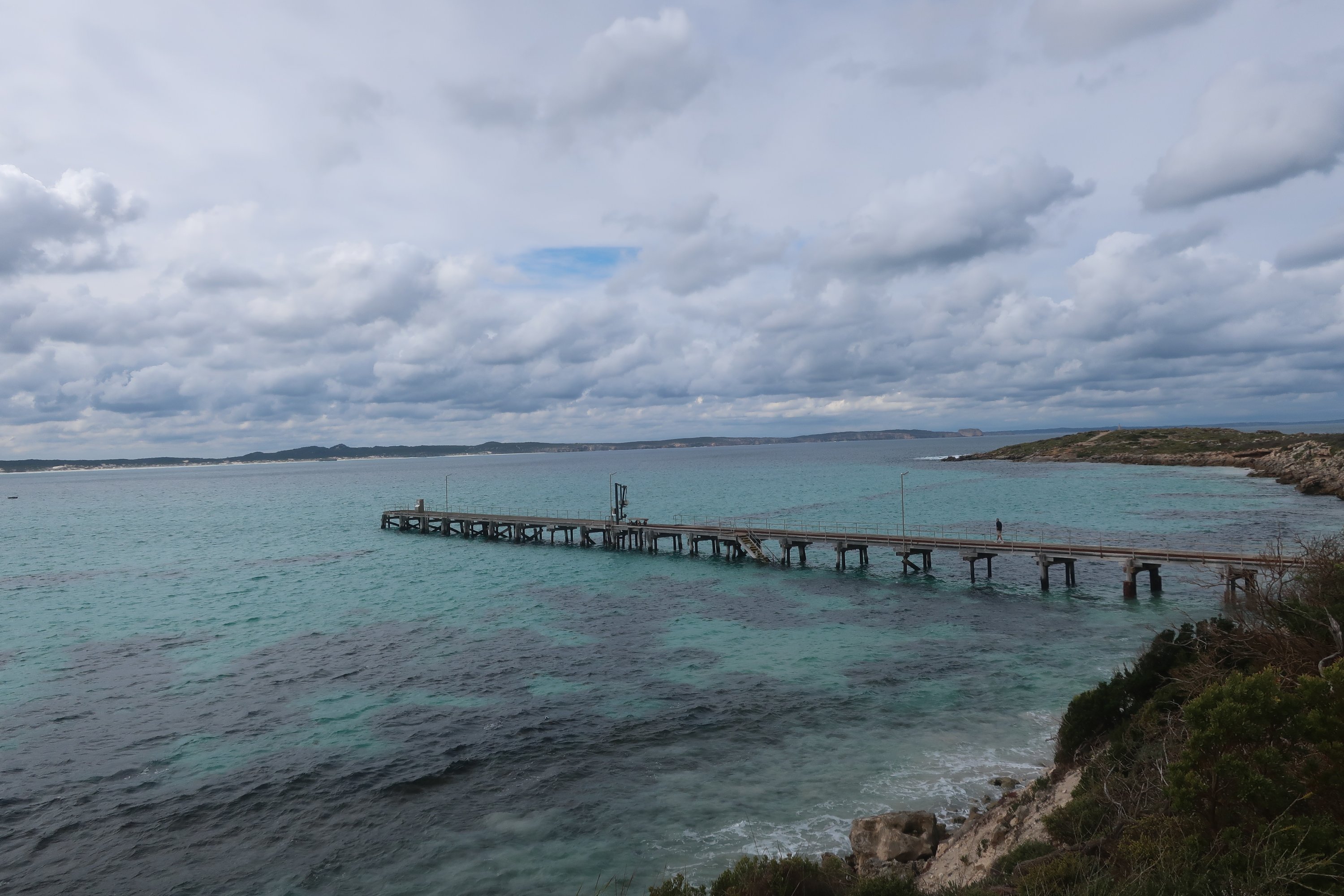
While the north side of the island is largely agricultural the eastern side which we explored on our last day was another delightful surprise. White sandy beaches and calm, crystal clear and protected waters line the eastern shoreline. Visiting the beautiful Cape Willoughby lighthouse was a great way to bookend our KI visit.





Glad to hear the island is recovering after this horrible fires. Looks like such a beautiful place!
LikeLike
Kangaroo Island was a surprise, its geology is so diverse in such a small space. It was good to see the recovery after the fires Not sure about the wildlife, I’m guessing there will be a lag.
LikeLiked by 2 people
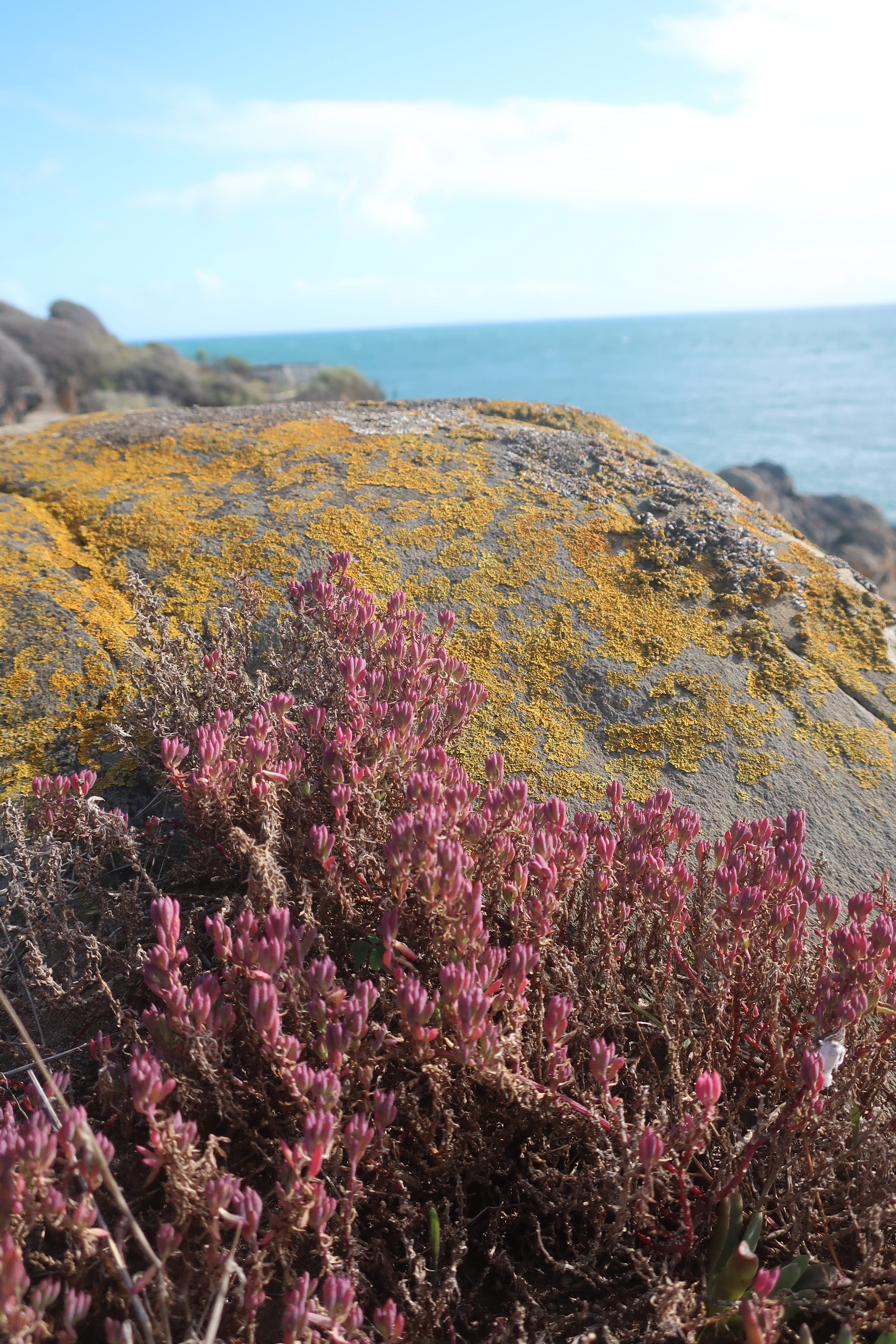
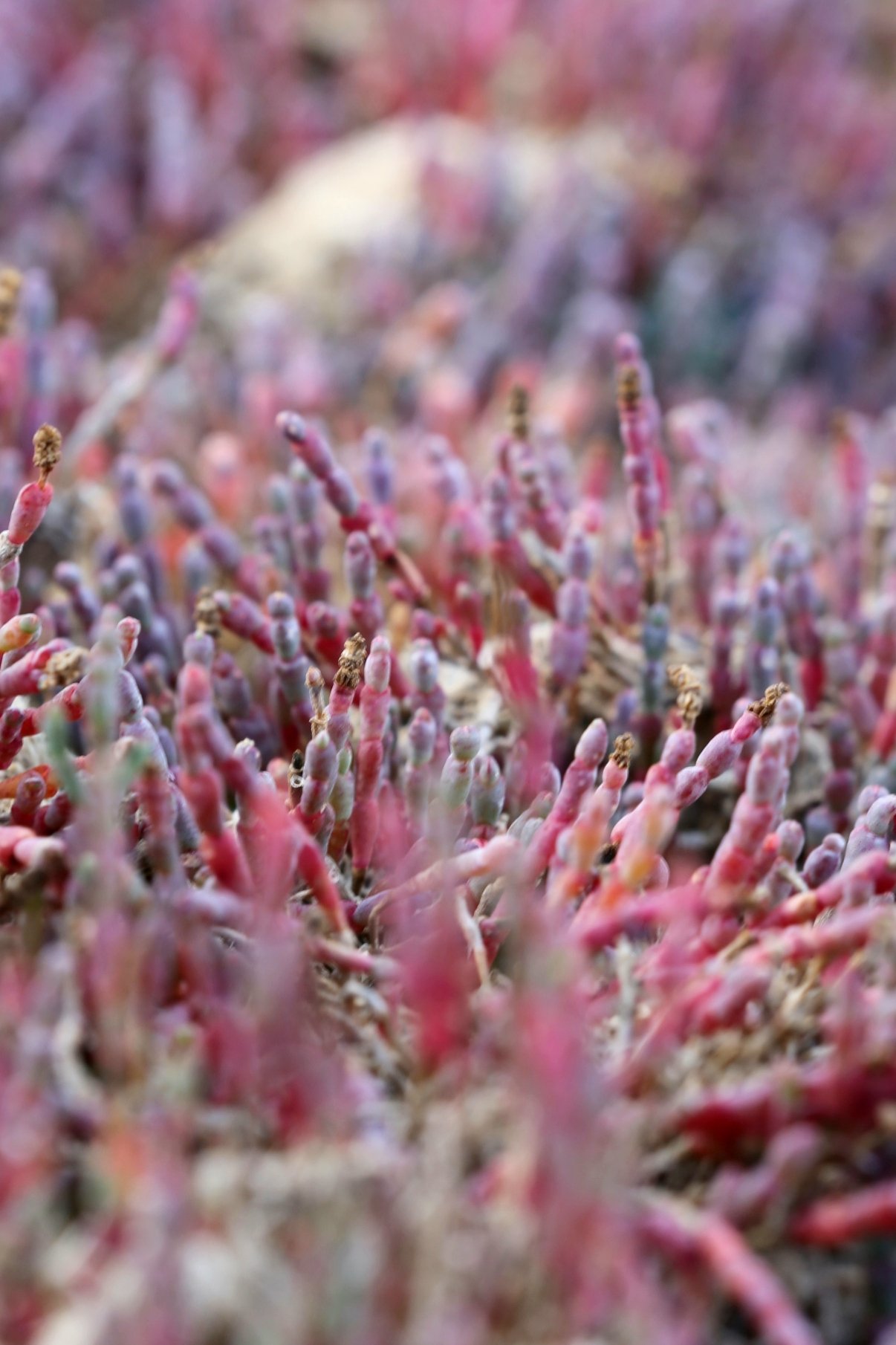
I wish I could pick some of that glasswort and eat it in a salad! The photos are simply gorgeous. I would love to visit this place someday….
LikeLike
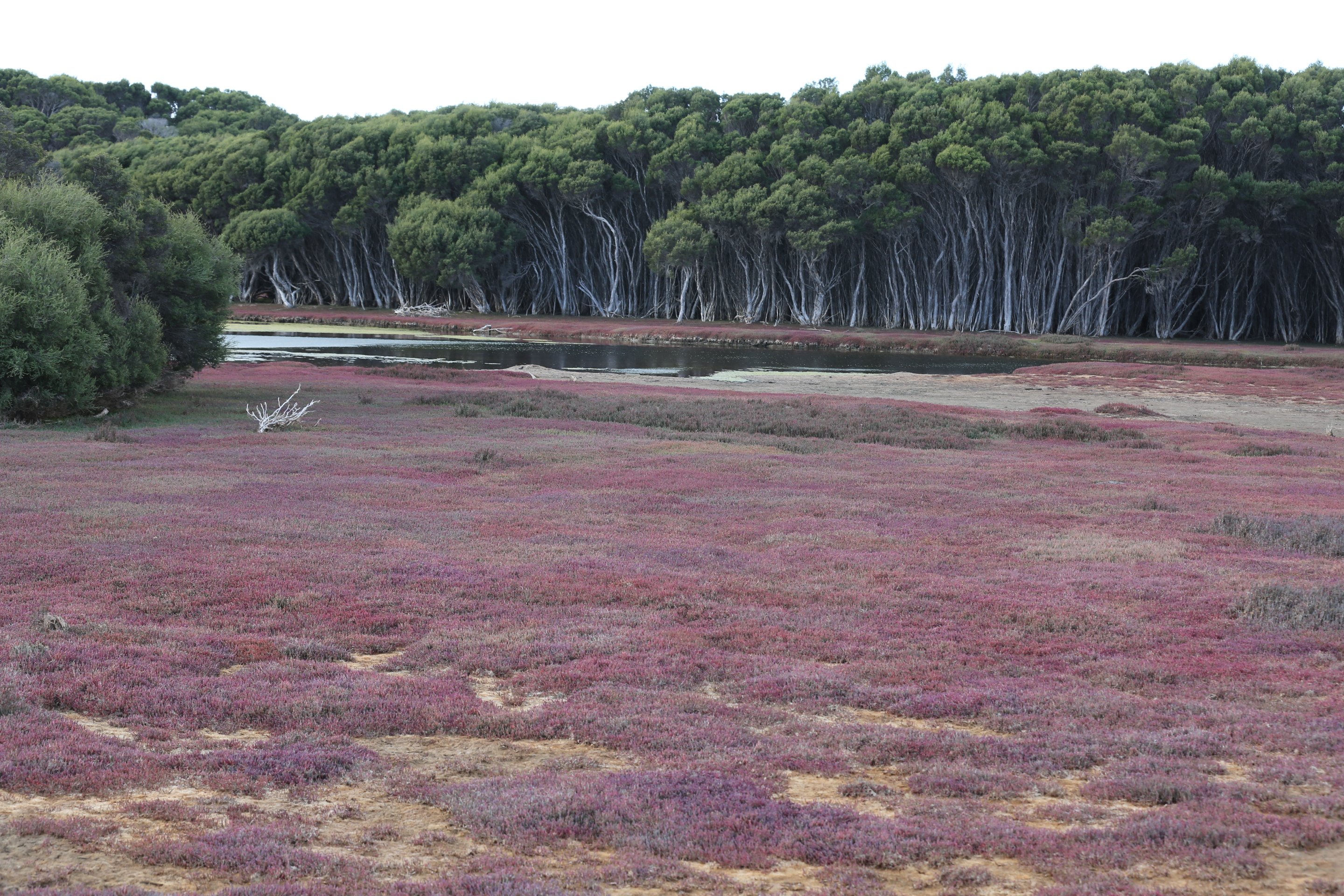
The healthiest samphire flats I’ve seen. I’m sure there would be a restaurant on the island using it in salads. We were visiting out if oral season so a lot of restaurants were closed.
The Southern Ocean Lodge when it reopens next year would be great to stay.
LikeLike
looks amazing – it just got onto our bucket list!
LikeLike
It was incredibly beautiful and wild. Not sure what summer is like. I feel like I need to come back and swim in that sea.
LikeLike
it’s very different on both sides of the island (very surprising for such a small place) we were there for most of December 1984. We had very cool windy days and some hot days too
LikeLike
Wecwere surprised as well. The south side is so wild. We would love to go back and stay at the Southern Ocean Lodge when it reopens next year.
LikeLike
Three years later and we can put a tick on the bucket list – it is incredibly beautiful and the water is some of the bluest I’ve ever seen!
LikeLiked by 1 person
So happy to hear Julia. It was such a powerful and beautiful experience.
LikeLike
WOW, climate change is in reverse, stay safe my lovelies and have fun.
LikeLike
Thank you Steven
LikeLike
WOW, it looks like climate change is in reverse. Beautiful, stay safe my lovelies and have fun.
LikeLike
Thanks Steven
Thank you for you for your good wishes. We had great weather in our time on the island
LikeLike
We honeymooned there in 1984 it is a very special place to us thanks for the photos we would love to get back there one day.
LikeLike
How amazing to choose KI for a honeymoon. It would be interesting to see what it looked like in the 80’s.
LikeLike
when we were there Seal Bay was far less ‘controlled’ and we went there on two consecutive days and sat on the beach among the seals (no boardwalks back then) and the seal pups were rollicking around us it was amazing
LikeLike
Seal Bay is part of a National Park now. I guess visitation numbers increased and while most people do the right thing there are some exceptions. You can do a Ranger guided tour on the sand with the pups.
LikeLike